From purchased to reliably running.
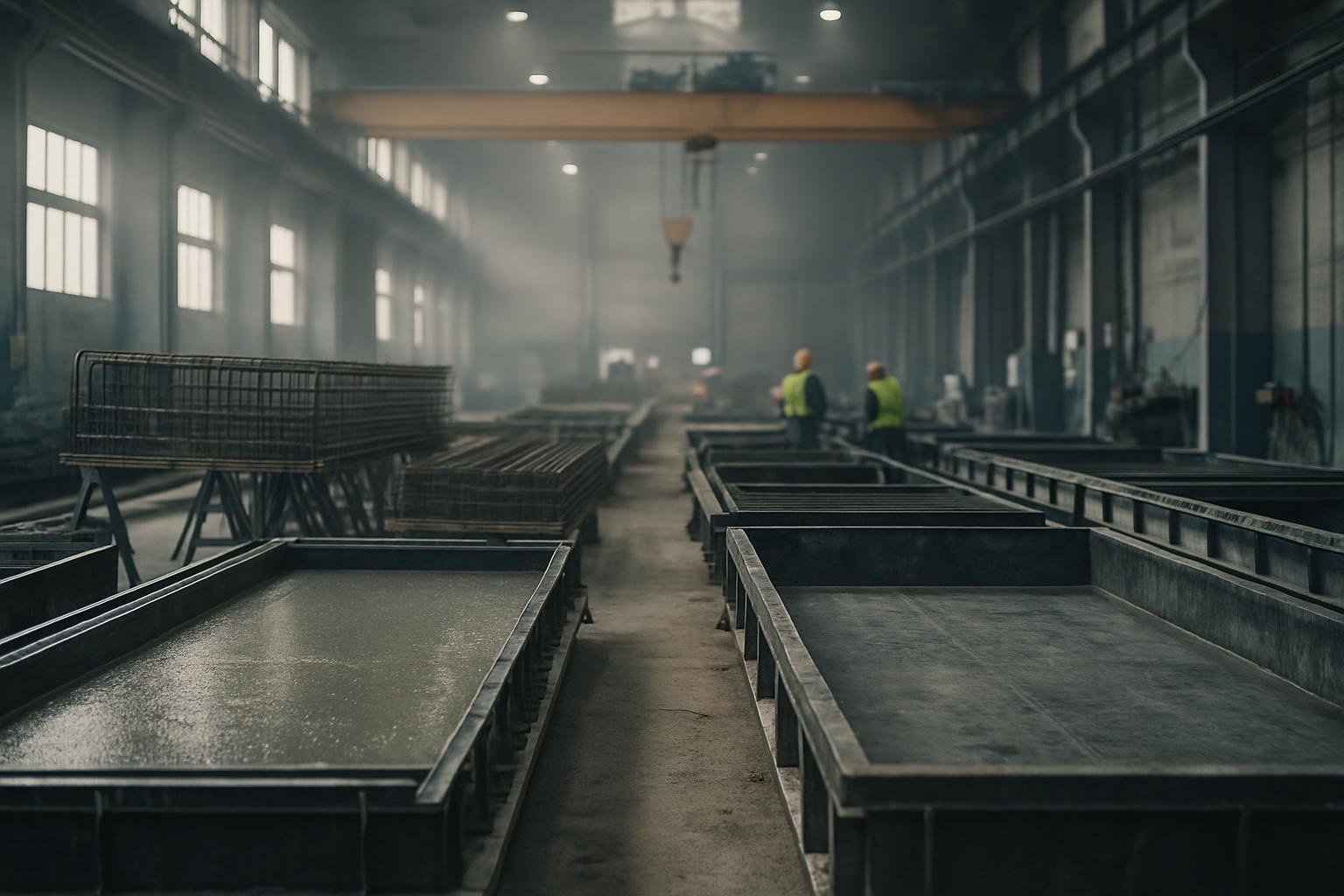
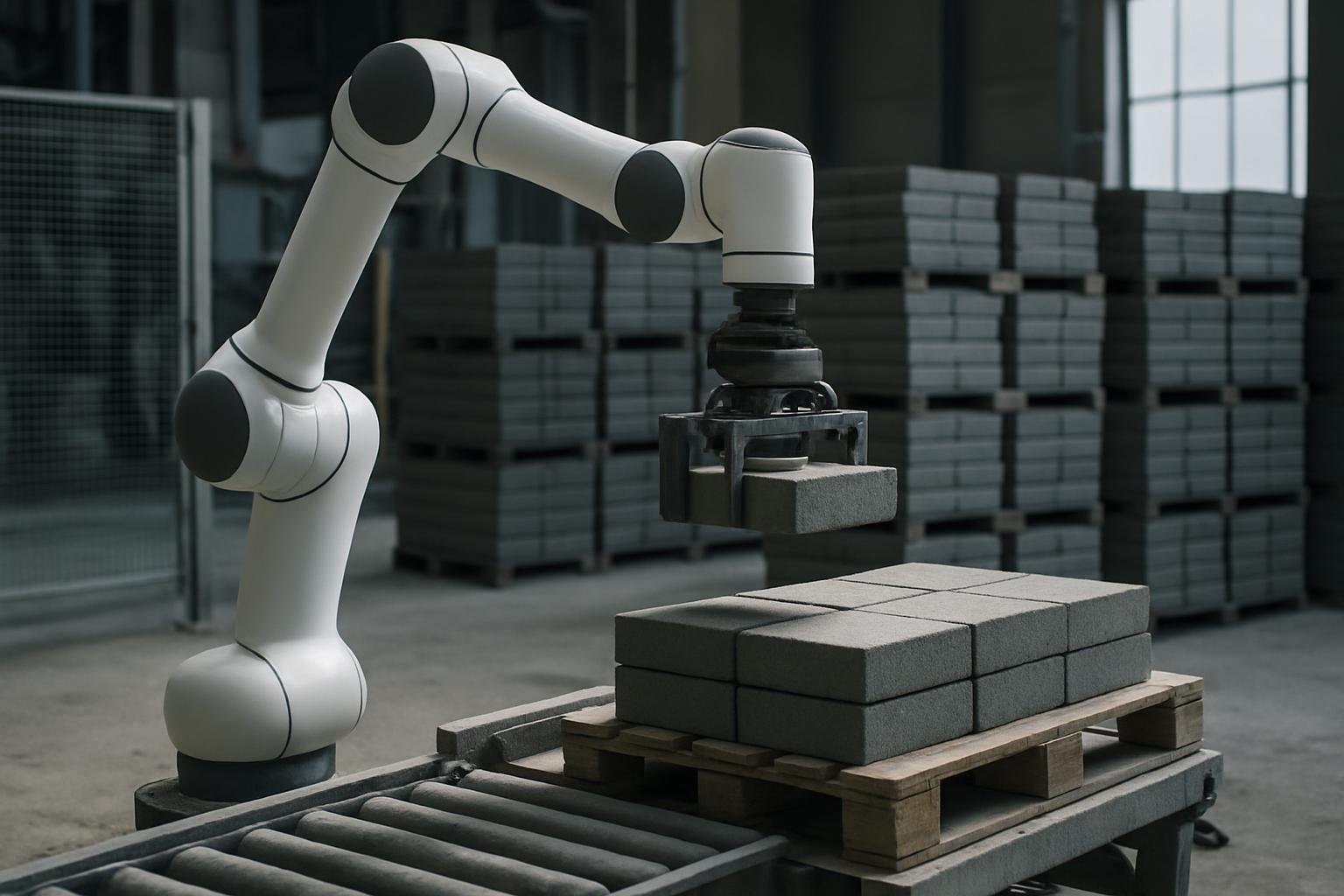
A robot that works in the showroom and a robot that works next to a casting bed are two different machines. We do the work in between.
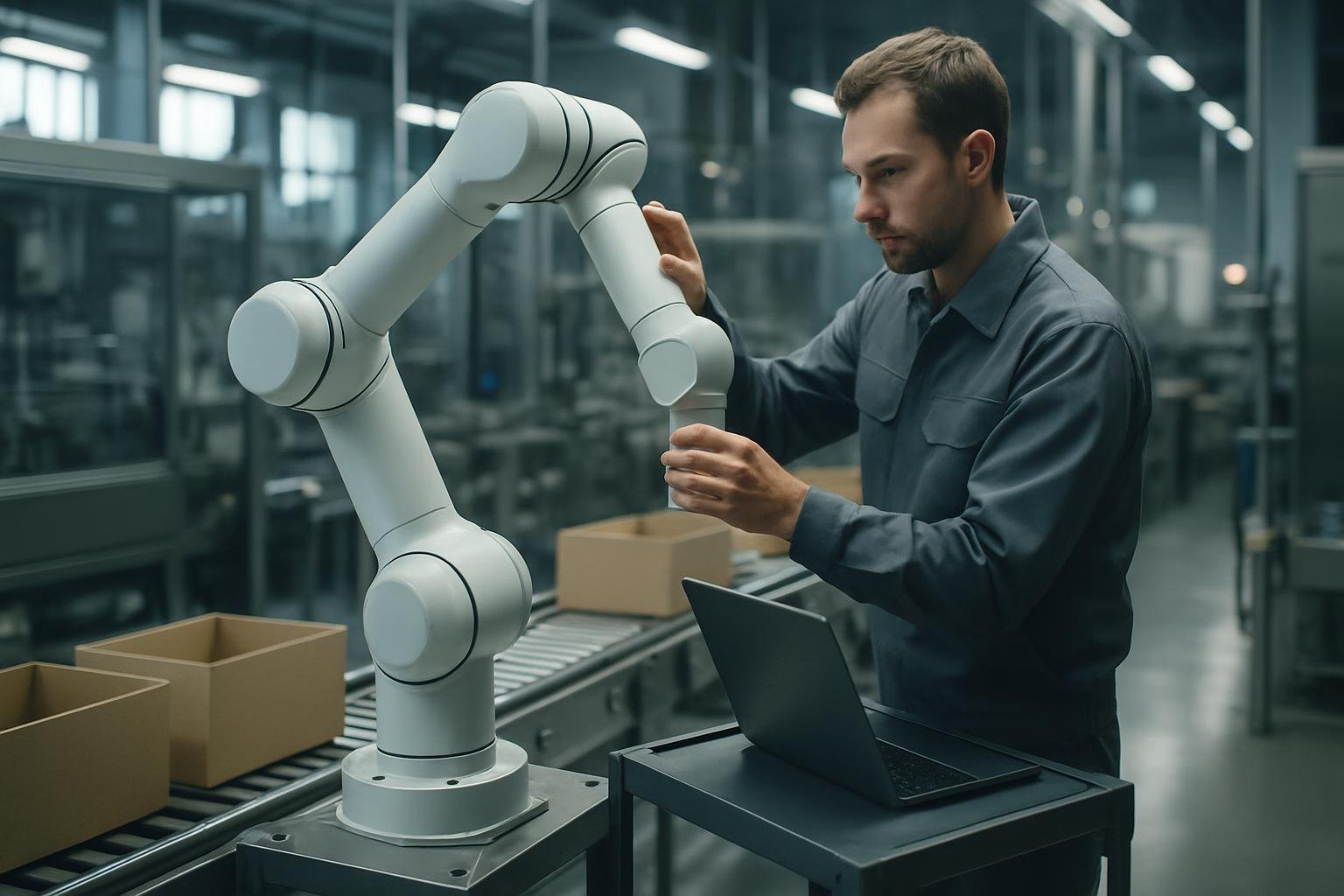
Deployment
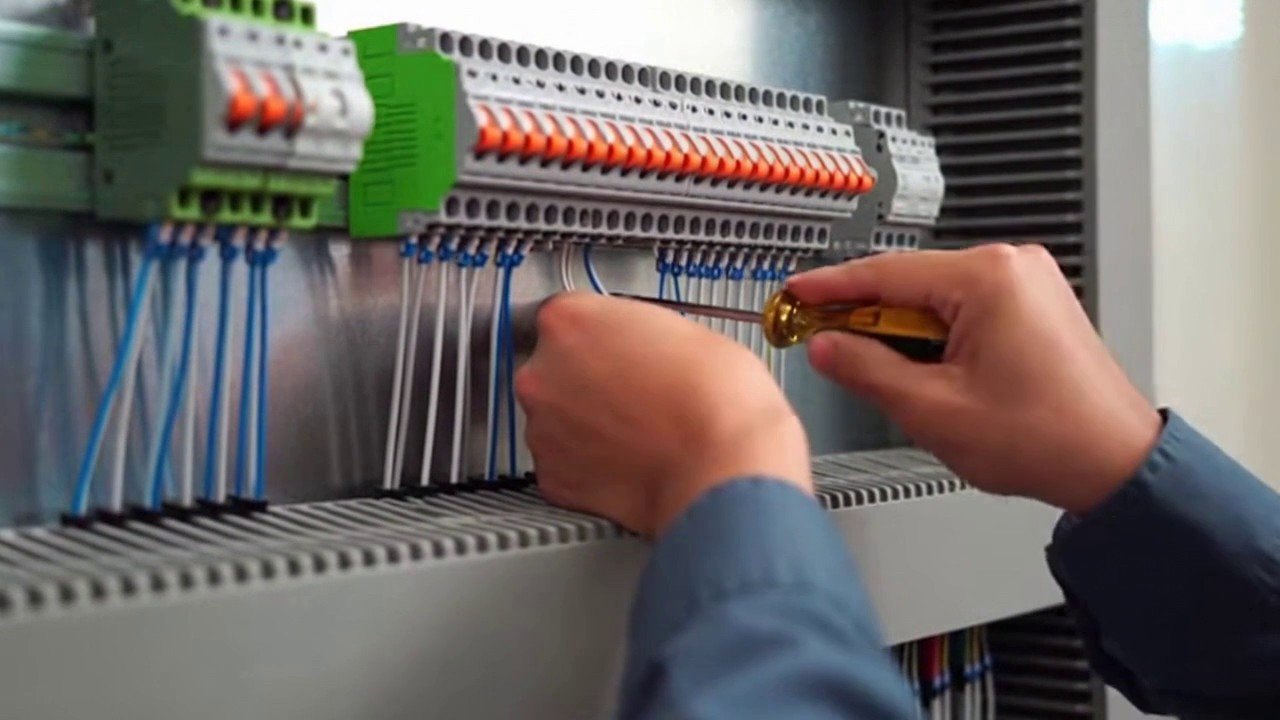
Cell layout, control panels, PLC hookup, safety assessment, and commissioning — done on your floor, around your production schedule, signed off working.
Ongoing Support
Local first-line support: managed spare-parts programs, preventive maintenance, remote diagnostics, site visits. No shipping your machine overseas.
North American Compliance, Coordinated
CE is not recognized in Canada. We coordinate the compliant path onto the plant floor — CSA / cUL field evaluation, CSA Z432 / Z434 risk assessment, Ontario PSR — working with accredited bodies and licensed engineers, through to sign-off.
Integration
Fitting the robot into how your plant actually runs — the forms, the crane schedule, the people on either side of it. Not a fenced cell dropped in a corner.
Custom Development
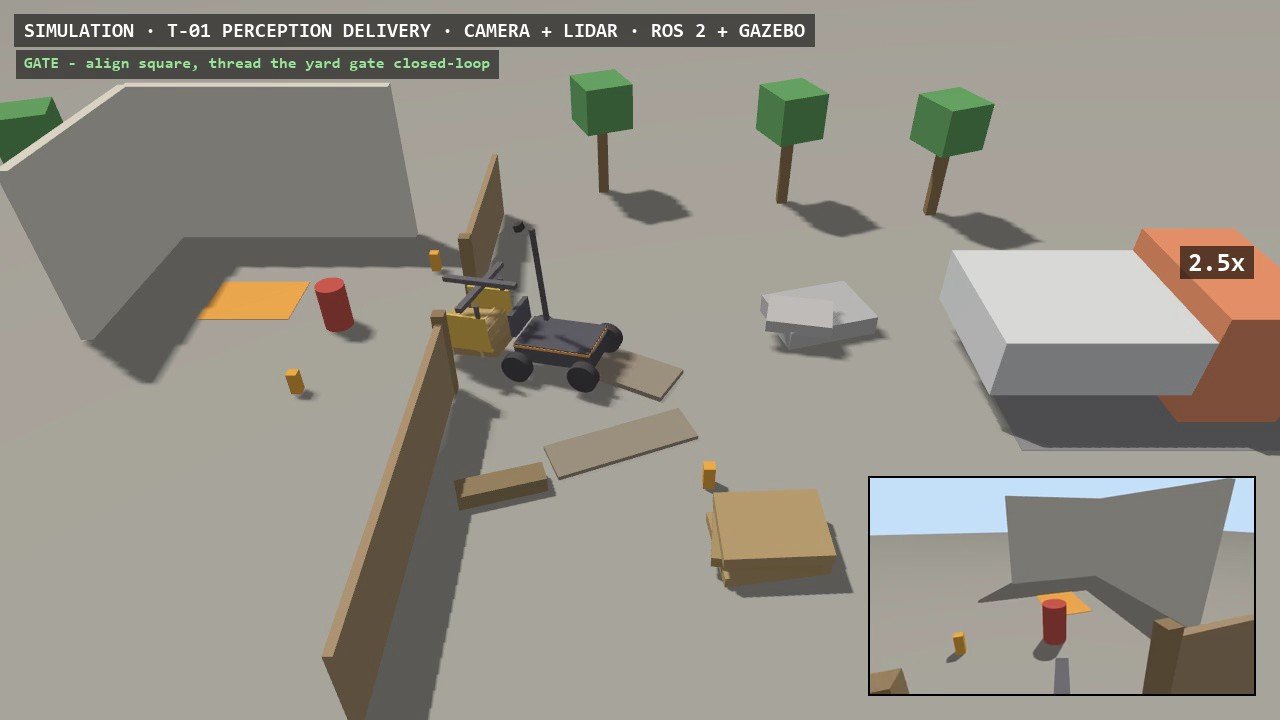
Vision, end-of-arm tooling, and cell logic written for your parts and your process — the IT-engineering half of our founding team, applied to your floor.